
Learn how Alithya's Capital Portfolio Planning within Alithya Vital helps health systems choose, fund, build and measure the right outpatient investments.
David Pabst, CPA/CITP, PMP | Oracle ACE Pro
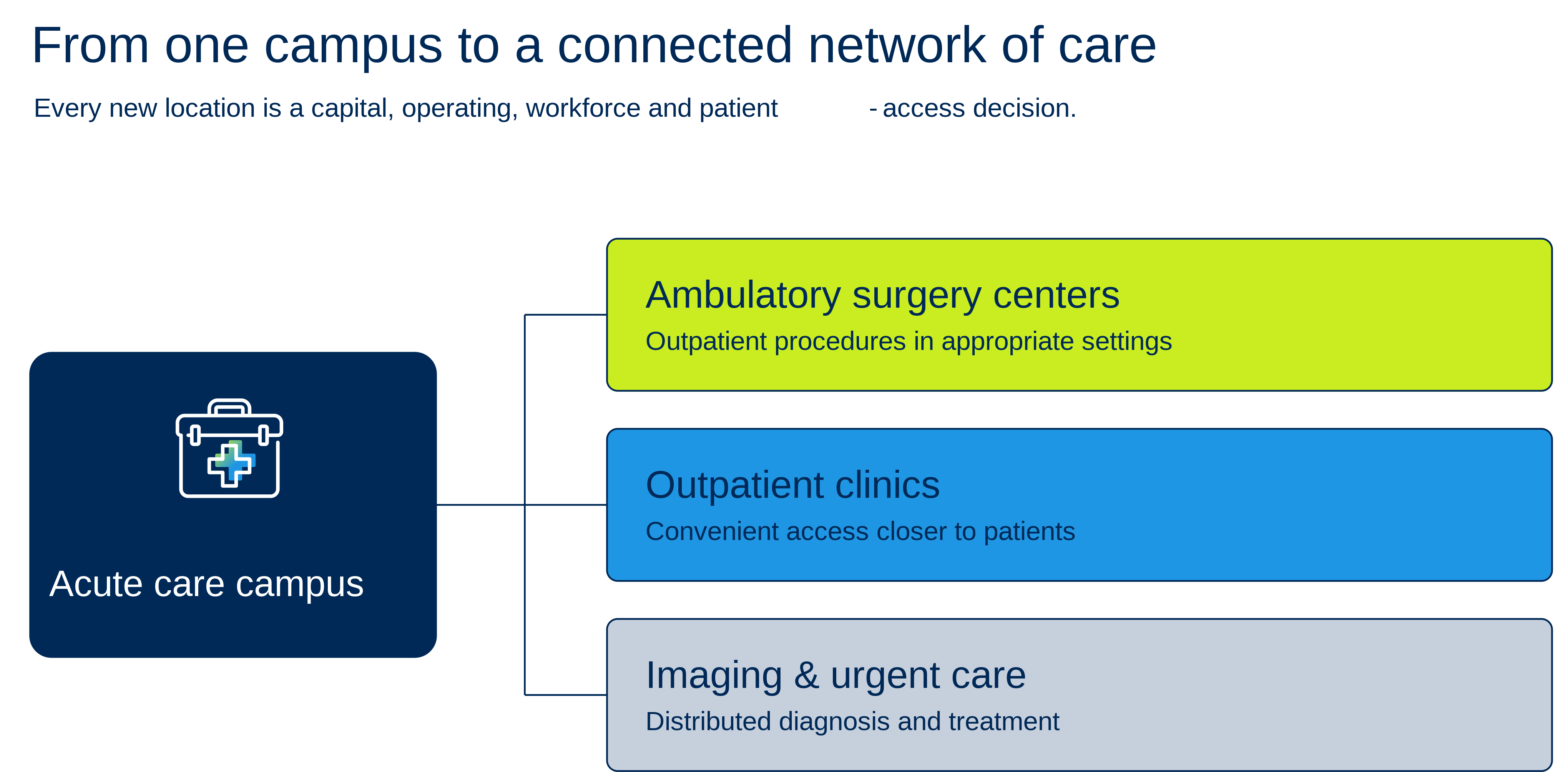
Ambulatory care is becoming the new center of gravity
The direction is clear. The American Hospital Association recently called ambulatory care the emerging “new center of gravity” for health systems. Its summary of Vizient’s 2026 forecast projects outpatient volumes to grow 20% from 2026 through 2036, compared with 7% growth in inpatient discharges. Cardiovascular, neurosciences, behavioral health and cancer are among the service lines expected to experience meaningful outpatient growth. [1]
Health systems are acting on that shift. JLL reports that health systems accounted for 46% of the medical outpatient building leases it tracked in 2025 and led 57% of the new square footage delivered. At the same time, occupancy reached 92.7%, construction starts remained constrained and new construction rents were running well above in-place rents. That combination makes each location, timing and delivery-model decision more consequential. [2]
The economics can also change while a project is being evaluated. CMS’s proposed 2027 OPPS and ASC rule would continue phasing out the inpatient-only list and proposes additional site-of-care payment changes, including for certain imaging services in excepted off-campus departments. The rule is proposed, not final, but it is a useful reminder: reimbursement assumptions cannot be treated as static. [3]
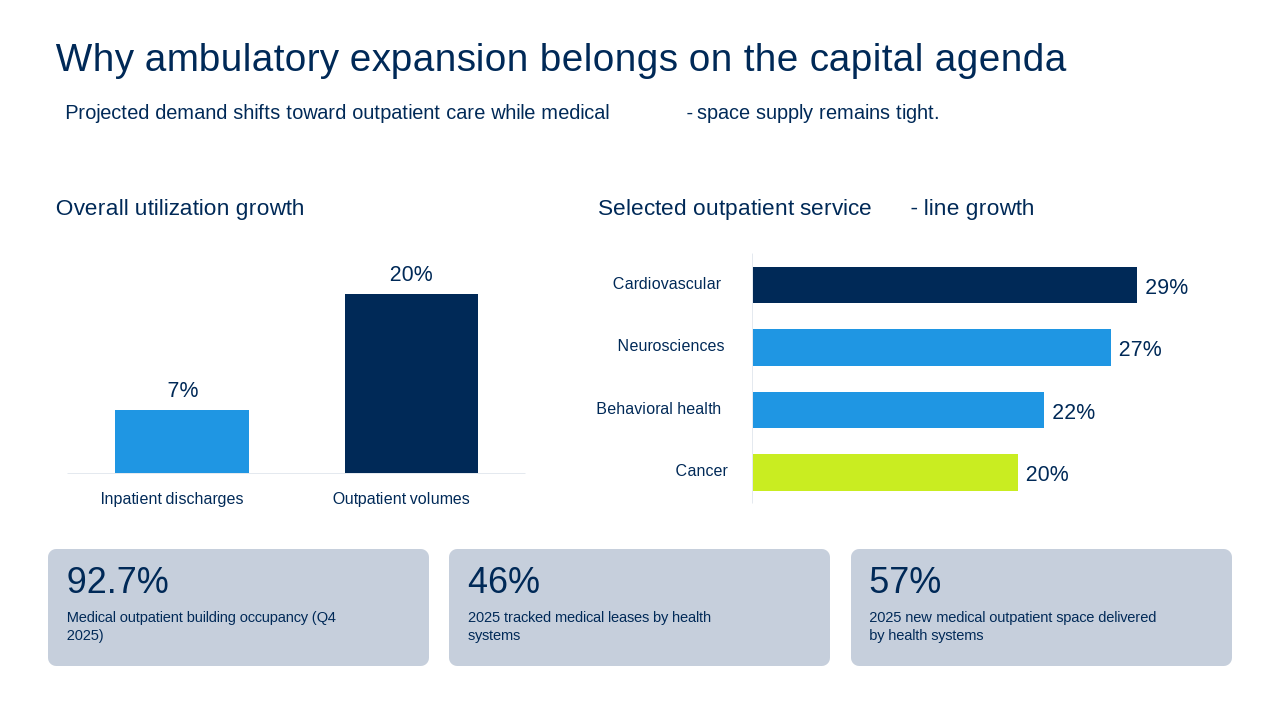
Figure 1. Outpatient demand is projected to grow faster while the medical outpatient real-estate market remains tight.
Ambulatory expansion creates a portfolio of competing investments
An ambulatory strategy can quickly produce dozens - or hundreds - of potential capital investments across a health system:
- A new ambulatory surgery center in a growing market.
- A freestanding emergency department, urgent-care location or hybrid access point.
- An outpatient imaging, cancer treatment or diagnostic center.
- A multispecialty clinic or physician-practice acquisition.
- An expansion or renovation of an existing ambulatory location.
- The equipment, technology, supply-chain and workforce investments required to operate each site.
Each request may make sense on its own. Capital committees do not have the luxury of reviewing requests in isolation.
Questions we often hear leaders trying to answer around their capex investment plans:
- Which markets have the greatest unmet demand?
- Which service lines support the organization’s strategy?
- Should the system build, buy, lease, partner or defer?
- How much volume will be new, and how much will migrate from an existing site?
- Does the organization have enough physicians, nurses, technicians and support staff?
- What happens if construction costs rise or the volume ramp takes two years longer than expected?
And, perhaps most importantly: Which combination of investments creates the most value within the capital and liquidity the organization can realistically support?
Build every ambulatory business case on a common foundation
Alithya’s Capital Portfolio Planning (CPP) can create a standardized intake and business-case process across markets, facilities, service lines and functional areas. Finance gets the measures needed to evaluate the economics, while clinical and operating leaders retain the factors that make each investment unique.
Components of standardize capex business case:
DEMAND & ACCESS Community need; market growth; geographic access; patient leakage and recapture; physician alignment. | CLINICAL & OPERATING MODEL Service-line strategy; projected volumes; care model; staffing capacity; technology and supply requirements. |
ECONOMICS & CAPITAL Build, buy, lease or partner; capital and equipment cost; payer mix; revenue; margin; cash flow; return. | RISK & STRATEGIC FIT Cannibalization; construction and regulatory risk; timing; mission benefit; strategic priority; execution capacity. |
CPP establishes a repeatable lifecycle from idea, to request, to budget, to project and ultimately to an in-service asset. Standardized requests, workflow, business-case assumptions and auditability create the foundation for a real portfolio discussion - rather than a collection of individual PowerPoint presentations. [5]
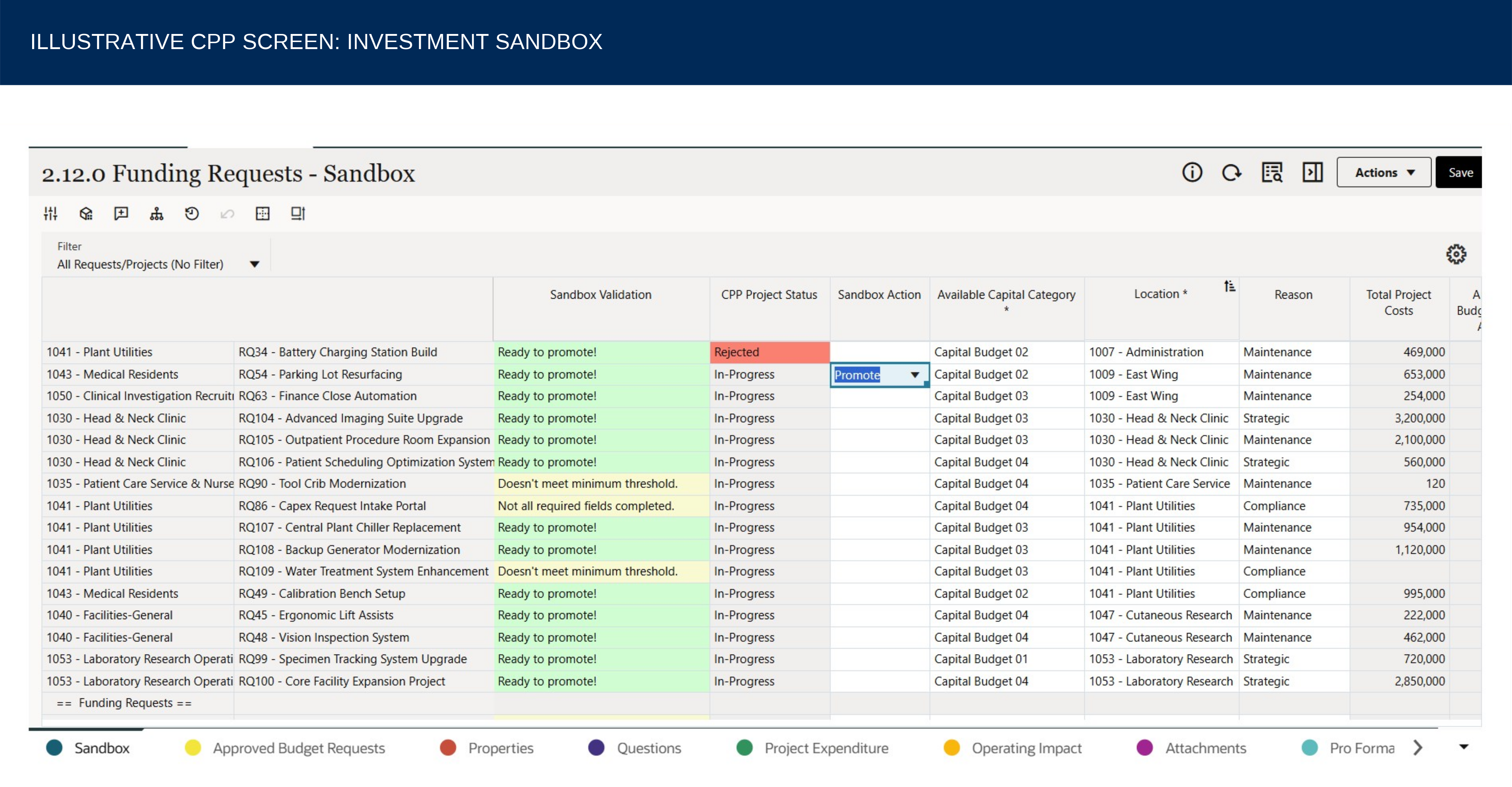
Figure 2. Illustrative Alithya CPP investment sandbox using sample data. Actual configuration varies by organization.
Evaluate the ambulatory portfolio - not just individual projects
Once requests are standardized, leadership can evaluate different portfolio scenarios. One scenario may favor rapid market expansion. Another may concentrate capital in selected service lines. A third may protect liquidity by favoring acquisitions or leased facilities over greenfield construction. A fourth may defer lower-priority projects while preserving flexibility for opportunities that have not yet emerged.
CPP helps organize the multiyear strategic capital pipeline into a common view of:
- Previously approved and committed investments
- Probable investments moving through evaluation
- Equipment replacement and facility-renovation requirements
- Strategic growth opportunities and market-entry options
- Capital allowances, reserves and funding capacity
- Investments that can be accelerated, delayed, resized or removed
This is especially important for ambulatory care because the investments are interdependent. A clinic may require an imaging investment. A new ASC may depend on physician recruitment and a supporting supply-chain model. A new site may recapture patient leakage, but it may also cannibalize an existing location. Those relationships belong in the portfolio discussion.
Connect ambulatory strategy to the long-range financial plan
An approved ambulatory investment affects far more than the capital budget. It can influence debt capacity, liquidity, depreciation, labor requirements, supply-chain demand, operating margins and the economics of existing facilities. A new site may also consume several years of capital before it reaches its expected operating performance.
CPP can connect the investment pipeline to Oracle Cloud EPM capabilities for strategic modeling, financial planning, capital-asset forecasting, workforce planning and project forecasting. Finance can then see how different combinations and timing of investments affect the income statement, balance sheet, cash flow and financing capacity over multiple years.
That connection changes the conversation. A proposed facility may have an attractive five-year business case but create an unacceptable liquidity requirement during construction. Another project may generate a lower financial return but address a critical access, capacity or mission need. A third may only make sense when evaluated together with a physician-recruitment plan or service-line expansion.
A connected capital and financial model makes those trade-offs visible before the organization commits the capital.
Govern the investment throughout its lifecycle
Approving an ambulatory project is not the end of capital planning. It is the beginning of project governance.
CPP supports continuous, year-round governance by helping health systems:
- Establish top-down capital pools and allowances.
- Approve bottom-up funding requests and assign project budgets.
- Monitor budgets, actual spending, commitments and forecasts.
- Process incremental funding and scope-change requests.
- Carry approved capital into future periods when appropriate.
- Close or cancel projects and return unused funding to the portfolio.
CPP connects ERP, procure-to-pay, project-financials and fixed-asset processes. The purpose is straightforward: tie the approved business case to the project’s current budget, spending, commitments, forecast and eventual asset - without forcing the capital committee to reconstruct the story each month.
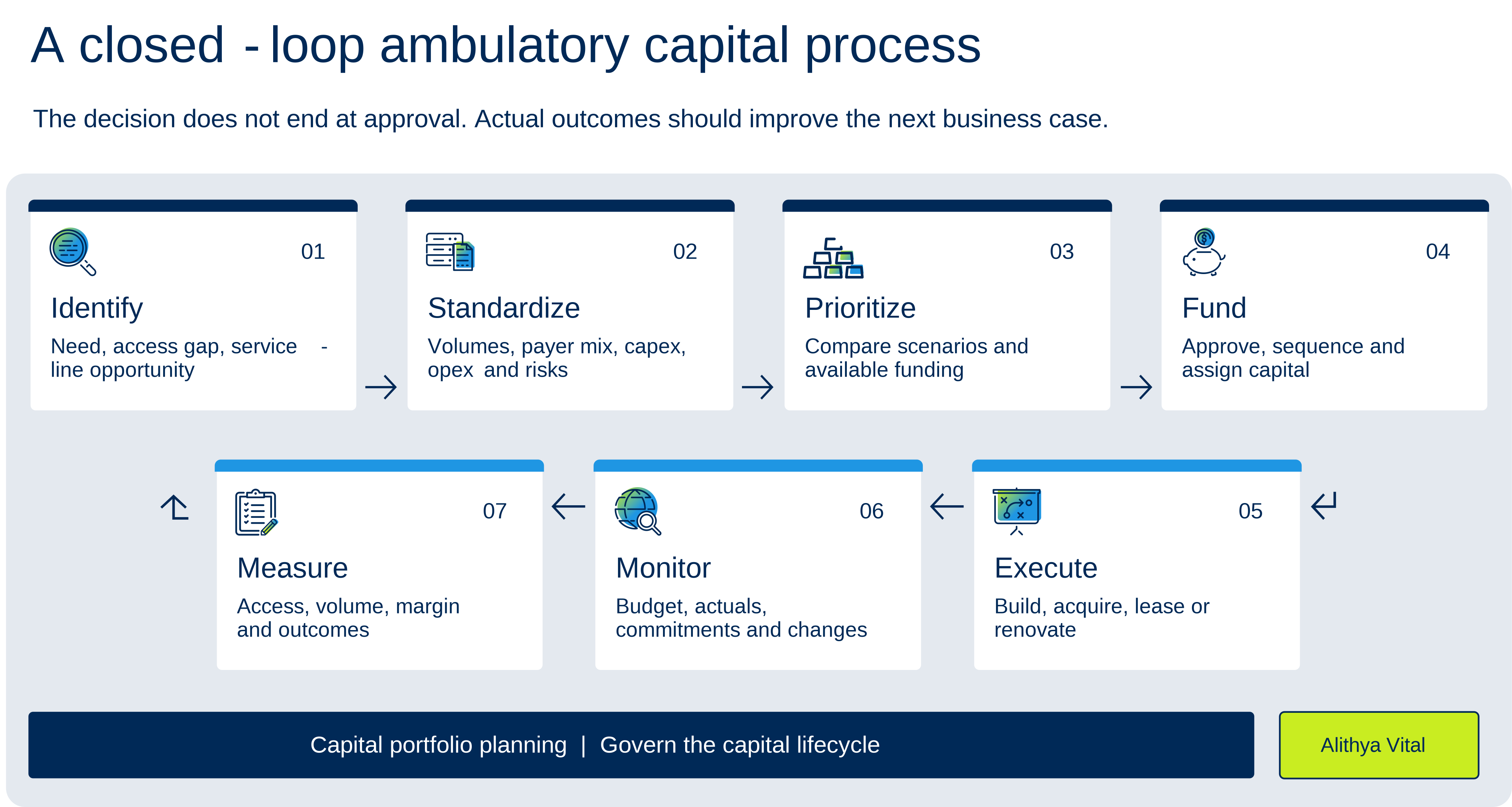
Figure 3. A closed-loop process connects the original investment decision to execution and post-go-live performance.
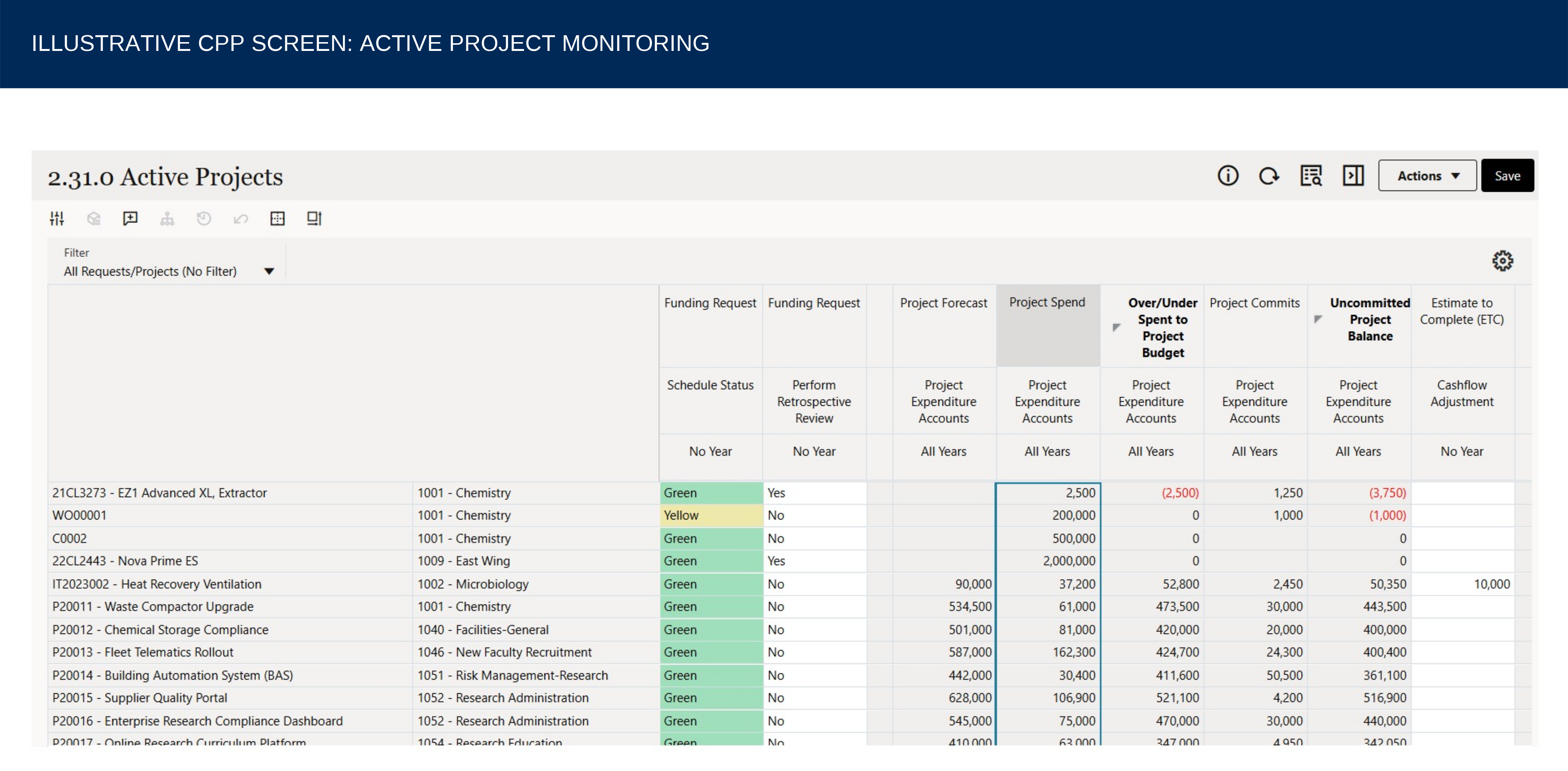
Figure 4. Illustrative Alithya CPP active-project monitoring using sample data. Actual configuration and integrations vary.
5. Use AI to find the exceptions - not to make the decision
AI can help is continuously monitoring a large portfolio and directing people to the projects that require attention. Oracle Cloud EPM IPM Insights can surface anomalies and significant period movement against defined benchmarks. Oracle also provides generative AI summaries for supported insights so teams can start with a draft explanation rather than a blank page. Users should review and validate the output, and availability depends on the organization’s subscription, configuration and region. [4]
Applied to an ambulatory capital portfolio, that can help answer practical questions:
- Is a project spending significantly faster or slower than planned?
- Which projects are drifting from forecast, budget or expected timing?
- Which locations are repeatedly requesting additional funding?
- Where are commitments inconsistent with the expected construction schedule?
- What changed in the portfolio since the last capital committee meeting?
- Can the system prepare a first draft of the monthly portfolio commentary for review?
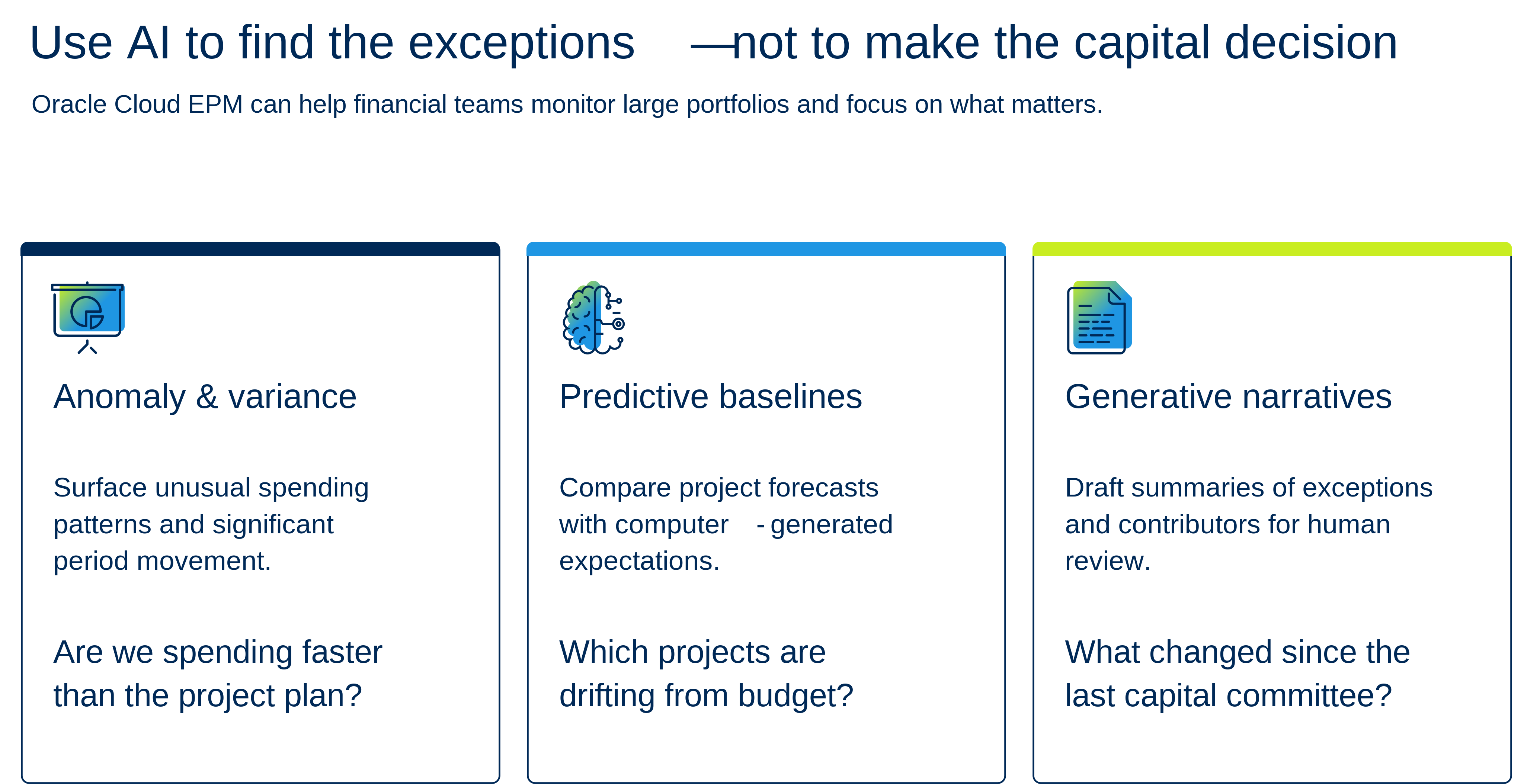
Figure 5. AI-supported monitoring helps teams focus on exceptions while people retain decision authority.
From capital approval to measurable healthcare value
Capital Portfolio Planning becomes more powerful as part of Alithya Vital - Value-Driven Insights into Trends, Accountability and Liquidity. Vital brings together the financial and operational context needed to evaluate an investment before approval and measure performance after the location opens. [6]
CPP provides the investment-governance layer: Plan -> Evaluate -> Prioritize -> Fund -> Build -> Monitor.
Alithya Vital extends the cycle: Measure -> Compare -> Learn -> Reforecast.
That creates the opportunity to compare the original ambulatory business case with actual performance:
- Did patient volume ramp as expected?
- Did the site improve access in the targeted geography?
- Did procedures move from the acute setting as planned?
- Did staffing and productivity align with the operating model?
- Did the investment achieve its expected revenue, margin, cost and liquidity outcomes?
This is how a health system improves capital decision-making over time. Every completed project becomes evidence that can strengthen the assumptions used for the next investment.
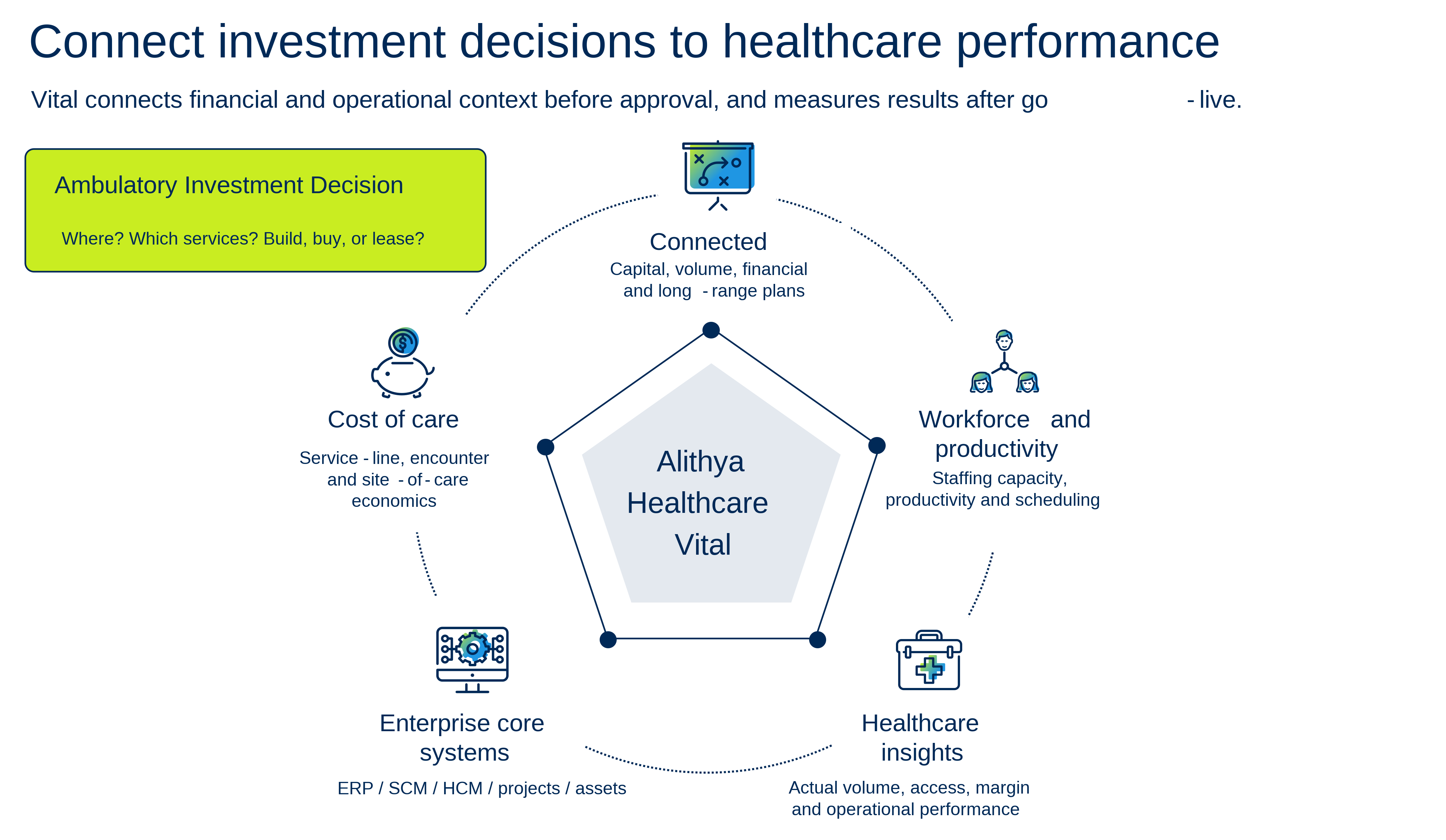
Figure 6. Alithya Vital connects the capital decision to planning, cost, workforce, operational performance and enterprise data.
What this could look like in practice
Without an enterprise capital process, each sponsor may develop a separate business case with different assumptions, time horizons, scoring criteria and levels of detail. The capital committee is left comparing apples, oranges and the occasional pineapple.
With CPP, the requests enter a common process. Finance and operational leaders evaluate them using consistent financial and strategic criteria. Leadership models different portfolio combinations under a multiyear capital envelope. The selected investments move through approval and into project execution. Budgets, actuals, commitments and forecasts are monitored throughout delivery. AI highlights unusual movement and prepares a first draft of the portfolio commentary.
After each site opens, Alithya Vital can help compare the original case with actual access, volume, cost, staffing, productivity, margin and liquidity performance.
Wrappin' it up!
Ambulatory expansion is likely to remain one of the most important investment themes for healthcare providers over the coming decade. But not every potential location should be built. Not every acquisition should be completed. Even good investments may need to be sequenced differently because of capital, liquidity, workforce or execution constraints.
The health systems that execute this transition well will not simply build more ambulatory facilities. They will develop the organizational capability to continuously identify, compare, fund, execute and measure the right investments.
Alithya’s Capital Portfolio Planning, as part of Alithya Vital, can help turn that list into a governed, connected and continuously improving investment portfolio.
RESEARCH AND PRODUCT REFERENCES
Sources
- 6 Key Projections: How Healthcare Demand Will Shift Over the Next 10 Years - American Hospital Association, August 4, 2026
- Medical outpatient buildings ready for active 2026 despite policy headwinds - JLL, March 24, 2026
- Calendar Year 2027 OPPS and ASC Proposed Rule (CMS-1850-P) - Centers for Medicare & Medicaid Services, July 2, 2026 The rule discussed in this article is proposed and was not final as of September 2026.
- IPM Insights documentation and 2026 Cloud EPM updates - Oracle See also Oracle Cloud EPM release notes for period movement variance and generative AI summaries.
- Complete the Capital and Financial Planning Process with Alithya CPP - Alithya
- Healthcare solutions and performance management - Alithya